 Arabic
For Australian parents, finding practical ways for their children to learn Arabic online for free can be a useful alternative to adding another weekly class to an already busy family schedule.
Children can learn Arabic from home through apps, interactive websites, digital books, educational videos, and online learning platforms. This is particularly useful for families living in Australia where Arabic may not be part of a child’s everyday environment outside the home.
The challenge is not finding resources. There are plenty of them. The real challenge is finding resources that are age-appropriate, genuinely useful, easy to access in Australia, and suitable for your child’s current Arabic level.
Here are 10 options worth exploring, followed by a simple routine for putting them to use.
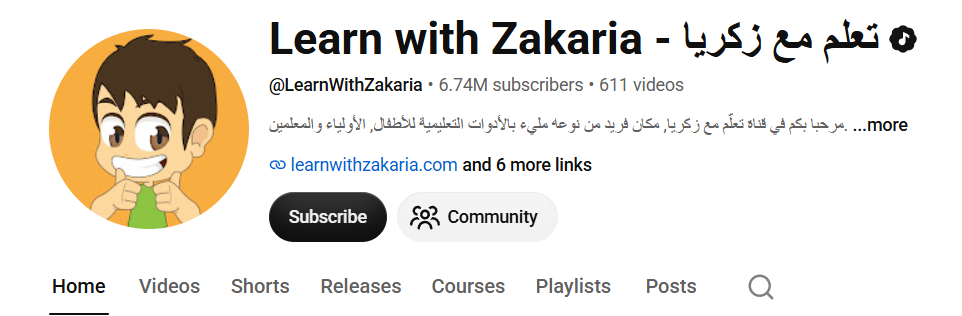
1. Learn with Zakaria
One of the easiest ways to introduce a young child to Arabic is through short, entertaining videos.
Learn with Zakaria uses animation, songs, repetition, and familiar subjects to teach Arabic vocabulary and basic concepts.
Children can learn words related to:
- Animals
- Numbers
- Colours
- Food
- Family
- Body parts
- Arabic letters
- Everyday objects
This is especially useful for Australian families where English dominates the child’s daily life.
Instead of treating Arabic as another school subject, parents can make it part of the child’s normal routine. Ten minutes of Arabic videos after school or before bedtime can provide regular exposure without creating pressure.
Best for: Ages 2–7
Good for: Children with little Arabic exposure
Cost: Free
Read also: Best Arabic Learning App for Kids – The Complete Guide to the Top 10 Apps
2. Adam wa Mishmish
For toddlers and preschoolers, traditional language-learning apps can sometimes be too complicated.
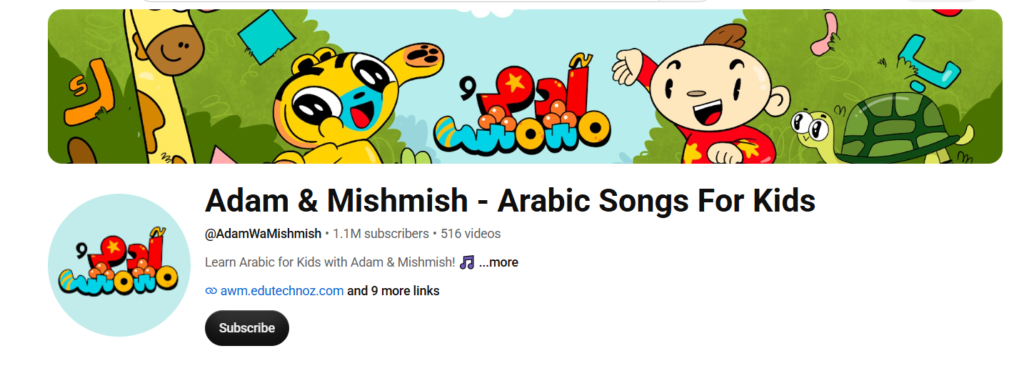
Adam wa Mishmish takes a much simpler approach. Short animated episodes introduce children to Arabic through music, repetition, and everyday concepts.
The format works particularly well for children who are still developing their first-language vocabulary.
For an Australian family, this can be a useful way to introduce Arabic before worrying about reading and writing. A child does not need to know the alphabet to start listening to Arabic.
Best for: Toddlers and preschoolers
Good for: First exposure to Arabic
Cost: Free
For learners interested in professional communication, the academy also provides an Arabic course for business.

3. Karazah
Karazah focuses heavily on Arabic songs and educational content for young children.
That makes it useful for pronunciation and listening practice. Children hear the same sounds and vocabulary repeatedly, which can make unfamiliar Arabic words easier to recognise.
For families in Australia, this is particularly valuable when Arabic is not spoken consistently outside the home.
Parents can choose a small number of songs and repeat them throughout the week instead of constantly introducing new material.
For example, one week could focus on:
Arabic letters → colours → numbers → family vocabulary
Repetition helps children remember what they hear.
Best for: Ages 3–7
Good for: Listening and pronunciation
Cost: Free
Read also: Arabic Worksheets for Kids – A Complete Guide for Parents
4. 3asafeer
Once a child starts recognising Arabic letters, listening alone is no longer enough. They need to see Arabic in context.
3asafeer provides Arabic stories, books, activities, and educational content for children at different reading levels.
This makes it particularly useful for heritage learners—children who may hear Arabic from parents or relatives but are not confident readers.
It can also help children who are learning Arabic as an additional language.
One advantage of using a graded reading platform is that parents do not have to choose random Arabic books that may be far too difficult for their child.
Best for: Children developing reading skills
Good for: Arabic stories and vocabulary
Cost: Free content available, with additional paid content
Read also: Find The Best Quran Teacher On Skype In Australia — Learn Quran Online From Home
See Us in Action!
Curious about what our online classrooms look like? Watch the short clips below to see how our interactive, one-on-one sessions bring learning to life with real-time feedback and engaging teaching methods.
Start Your Quranic Journey in Australia
Join our leading online academy and learn with expert tutors through a structured, personalized curriculum.
Book Your Free Trial5. Aractivities
Aractivities takes a more interactive approach to Arabic learning Instead of simply watching a lesson, children can practise letters, numbers, vocabulary, and other basic concepts through activities and games This is useful for parents who want to limit passive screen time.
A simple 10-minute activity can become part of a child’s Arabic routine after school or on weekends.
For younger Australian learners, this type of short activity can work particularly well alongside Arabic videos and stories.
Best for: Young beginners
Good for: Alphabet and vocabulary practice
Cost: Free
Read also: Arabic Alphabet for Kids
6. Arabic for Kids – Alphabet
For a child who has never learned Arabic before, the alphabet is an obvious starting point.
Arabic for Kids – Alphabet focuses specifically on Arabic letters, sounds, tracing, and early vocabulary.
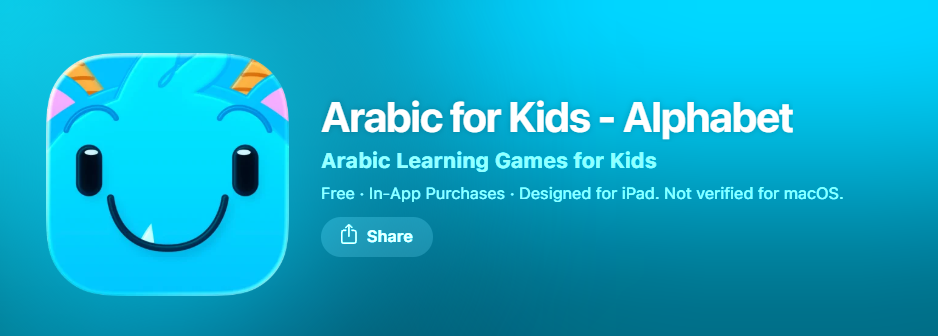
The Australian App Store lists the app as free to download with in-app purchases, so parents can test the experience before paying for additional content.
This makes it more appropriate for parents who want a dedicated alphabet tool rather than a general language-learning platform.
Best for: Ages 3–8
Good for: Arabic alphabet foundations
Cost: Free to download; additional paid access
Australian Quran Academy also offers a dedicated Classical Arabic course for learners who want to develop their understanding of formal Arabic beyond basic children’s vocabulary.

7. Duolingo Arabic
Older children and teenagers may prefer an app that feels less like a children’s educational program.
Duolingo provides short, game-style Arabic lessons that can help learners practise vocabulary, reading, and basic language patterns.
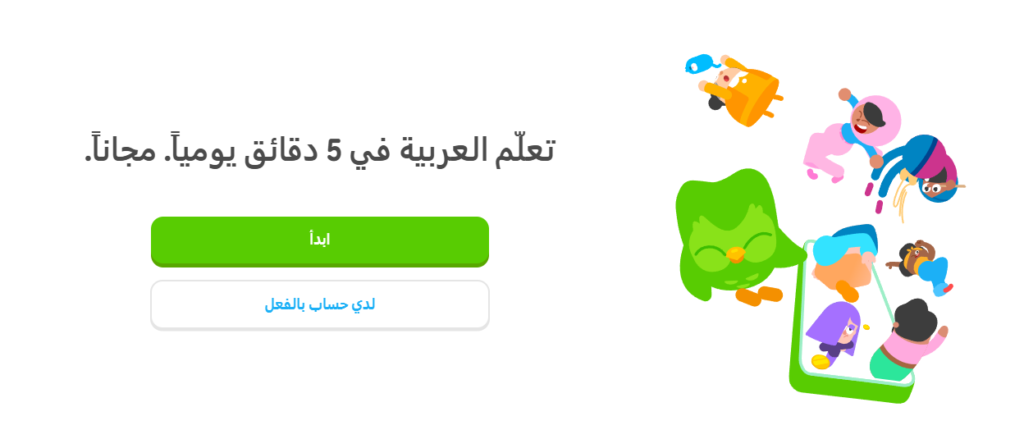
The biggest benefit is consistency.
A child who is reluctant to sit through a traditional lesson may be willing to spend five or ten minutes completing a daily challenge.
However, parents should see Duolingo as a supplement rather than a complete Arabic curriculum. It is particularly useful for building vocabulary and maintaining a learning habit.
Best for: Older children and teenagers
Good for: Daily vocabulary practice
Cost: Free with optional paid features
Read also: Learning Arabic Numbers For Kids In Australia
8. Madinah Arabic
As children become more advanced, they eventually need something beyond games and vocabulary.
Madinah Arabic provides structured Arabic lessons covering reading, vocabulary, grammar, and sentence construction.
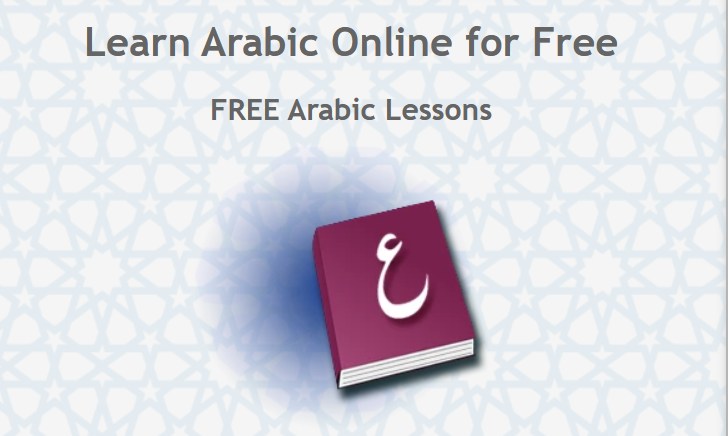
It is not designed specifically for toddlers, but it can be valuable for older children and teenagers who want a more systematic understanding of Arabic.
It can also be particularly relevant to families interested in connecting Arabic language study with Classical or Quranic Arabic.
For Australian parents, this creates an option that can grow with the learner instead of remaining limited to beginner vocabulary.
Best for: Older children and teenagers
Good for: Structured Arabic study
Cost: Free lessons available
9. Al Jazeera Learning Arabic
Al Jazeera Learning Arabic is better suited to teenagers and learners who already have a foundation in Arabic.
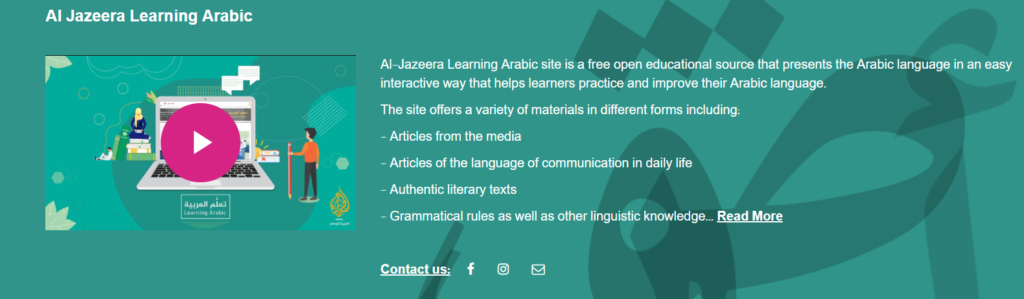
The platform includes reading materials, vocabulary, grammar, exercises, and comprehension activities.
It can be particularly helpful for Australian teenagers who understand Arabic at home but have weaker reading and writing skills.
For example, a teenager may be able to have a simple conversation with grandparents but struggle to read a paragraph in Arabic. A resource like this can help bridge that gap.
Best for: Teenagers and intermediate learners
Good for: Reading and comprehension
Cost: Free
10. ReadArabic
ReadArabic is designed around learning through Arabic texts rather than isolated vocabulary lists.
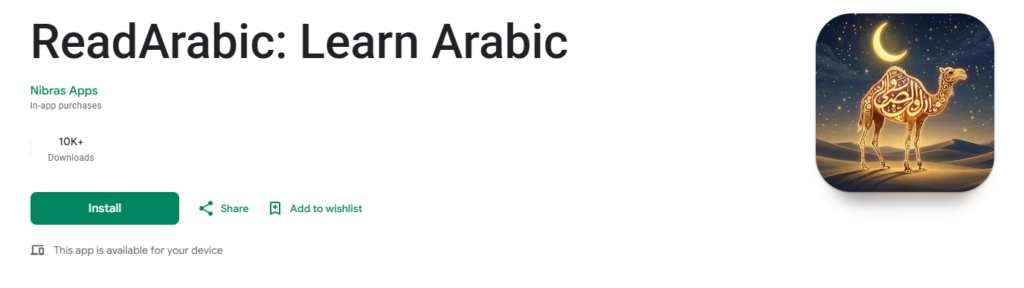
Children and older learners can practise reading stories and other content while using built-in support to understand unfamiliar words.
This approach becomes increasingly useful once a learner knows the alphabet and basic vocabulary.
Instead of asking a child to memorise dozens of disconnected words, reading allows them to see how vocabulary actually works inside sentences.
Best for: Older children and independent readers
Good for: Reading and vocabulary
Cost: Free
How Australian Parents Can Build a Free Arabic Routine?
The best way to learn Arabic for kids online free in Australia is not to make your child use all 10 resources at once. That usually creates the opposite result.
Instead, choose one or two resources that match your child’s current level and use them consistently. The goal is to build a simple routine that your child can maintain without feeling overwhelmed.
For Toddlers
For children who are just beginning to hear Arabic, focus on songs, repetition, and simple vocabulary.
Try: Adam wa Mishmish + Karazah
Spend around 10 minutes a day listening to songs, repeating simple words, and encouraging your child to join in. At this age, regular exposure is more important than formal instruction.
For Children Learning the Arabic Alphabet
Once your child is ready to recognise Arabic letters, combine visual practice with listening and repetition.
Try: Arabic for Kids – Alphabet + Learn with Zakaria
Use the app to practise letter recognition and basic sounds, then use short videos to reinforce pronunciation and vocabulary.
A short 10–15 minute session is enough for most young learners.
For Children Who Can Already Read Arabic
Children who can recognise letters and read simple words can benefit from resources that expand vocabulary and reading comprehension.
Try: 3asafeer + Aractivities
Use 3asafeer for stories and reading practice, then use Aractivities to reinforce vocabulary and other language skills through interactive activities.
For Older Children
Older learners can gradually move beyond basic vocabulary into more structured Arabic learning.
Try: Duolingo + Madinah Arabic
Duolingo can provide short daily practice and help maintain consistency, while Madinah Arabic offers more structured material for learners who are ready to develop their Arabic further.
For Teenagers
Teenagers who already have a foundation in Arabic can benefit from authentic content and resources designed to develop comprehension.
Try: Al Jazeera Learning Arabic + ReadArabic
Use these resources to move beyond isolated vocabulary and develop stronger reading comprehension, vocabulary, and understanding of real Arabic content.
Keep the Routine Simple
You do not need to use every resource every day. Start with the option that best matches your child’s level, keep sessions short, and repeat the routine consistently.
A simple 10–20 minute daily routine is usually more sustainable than trying to complete several different lessons, apps, and worksheets in one sitting.
Start Your Quranic Journey in Australia
Join our leading online academy and learn with expert tutors through a structured, personalized curriculum.
Book Your Free TrialIncorporating Arabic into an Australian Child’s Daily Routine
One of the biggest advantages of online Arabic learning is flexibility. Australian children already have school, homework, sports, music lessons, family commitments, and busy weekends, so Arabic does not need to become another rigid activity on the calendar.
Instead, parents can connect Arabic practice to routines their child already follows. This makes learning feel natural and consistent rather than like another school assignment.
For example:
After school: Spend 10 minutes practising Arabic vocabulary.
Before bedtime: Read one short Arabic story together.
Saturday morning: Set aside 20 minutes for Arabic reading practice.
During the car ride: Play Arabic songs or listening activities.
These small moments add up over time. By making Arabic part of everyday family life, children receive regular exposure without feeling that they are constantly being asked to “study.”
This approach can be particularly useful for Australian families living in areas where Arabic-speaking communities or weekend Arabic schools are not easily accessible. Online resources and lessons allow children to maintain consistent Arabic exposure from home, regardless of where they live.
The Role of Free Resources in Arabic Learning
Free resources can be excellent for starting Arabic.
They can help children:
- Recognise letters
- Build vocabulary
- Listen to Arabic
- Read simple stories
- Practise regularly
- Develop confidence
However, free resources have limitations, especially when children need individual guidance One of the most important things many free apps cannot provide consistently is personalised feedback.
A child may pronounce a word incorrectly for months without realising it. An app may mark an answer wrong, but it cannot always explain the problem in a way that makes sense to that particular child.
The same applies to conversation. A child can complete hundreds of vocabulary exercises and still feel nervous when someone actually speaks Arabic to them.
This is why free resources are often most effective when they are used alongside structured instruction. They provide additional practice and exposure, while a teacher can monitor the child’s progress, correct mistakes, and adapt activities to their individual needs.
When Is Your Child Ready for a Teacher?
Parents who want to learn arabic for kids online free in Australia can absolutely begin with the resources above However, free tools do not have to be the final destination.
As your child progresses, structured instruction can become more useful, especially when they need personalised feedback on pronunciation, reading, writing, or speaking.
A qualified teacher can help identify mistakes that may not be obvious when a child is learning independently and can adjust the lessons according to the child’s level and progress.
For children and families who are starting Arabic without an Arabic-speaking background, the Arabic course for non-Arabic speakers provides a natural next step beyond self-study.
Instead of asking a child to figure everything out alone, structured lessons provide opportunities to practise pronunciation, understand sentence patterns, ask questions, and receive direct feedback.
A Simple 30-Day Arabic Learning Challenge
If your child has never studied Arabic consistently, there is no need to begin with long lessons or complicated schedules. Start with a few minutes each day and gradually introduce new activities.
Week 1: Listen
Use Learn with Zakaria, Karazah, or Adam wa Mishmish for around 10 minutes each day. Focus on listening to Arabic sounds, words, songs, and simple expressions.
Week 2: Learn
Add basic alphabet or vocabulary practice using Arabic for Kids – Alphabet or Aractivities. Keep the sessions short and focus on recognition rather than memorisation.
Week 3: Read
Introduce simple Arabic stories through 3asafeer. Choose short stories with familiar vocabulary and encourage your child to recognise words they have already learned.
Week 4: Build
If your child is ready for more structured practice, introduce Duolingo, Madinah Arabic, or a structured online lesson. At this stage, the aim is to build on the habits established during the first three weeks The goal is not to finish an entire Arabic course in 30 days.
The goal is to help your child discover that Arabic can become a normal and enjoyable part of their daily routine.
Inside Our Virtual Classrooms
We believe in full transparency and proven quality. Take a look at these actual snippets from our live classes to experience our modern learning platform, patient instructors, and interactive student participation.
Start Your Quranic Journey in Australia
Join our leading online academy and learn with expert tutors through a structured, personalized curriculum.
Book Your Free TrialTake Your Child’s Arabic Further with Australian Quran Academy
Free apps and online resources can give your child a strong starting point, but structured instruction can help turn that early exposure into real Arabic skills. Australian Quran Academy offers live, structured Arabic learning for children, with lessons designed to build skills progressively from complete-beginner foundations through reading, writing, speaking, and classical or Quranic Arabic.
For Australian families, this provides a more consistent learning path than relying on separate apps and worksheets. Children can learn with qualified instructors who can adapt lessons to their level, correct pronunciation in real time, and help them develop Arabic skills that extend beyond simple vocabulary recognition.
[ Book Your Free Trial Lesson ]
Start Your Quranic Journey in Australia
Join our leading online academy and learn with expert tutors through a structured, personalized curriculum.
Book Your Free TrialConclusion
Learning Arabic online for free in Australia can be a practical and flexible option for families, especially when children have limited Arabic exposure outside the home.
The key is not to use as many resources as possible, but to choose the ones that match the child’s age and current level. Younger children can begin with songs, videos, and simple vocabulary, while children who are learning to read can gradually move into stories, alphabet practice, and interactive activities. Older children and teenagers can then progress toward more structured reading, vocabulary, grammar, and comprehension practice.
Free resources work best when they become part of a consistent routine. Even 10–20 minutes of Arabic practice each day can give children regular exposure and help them build familiarity with the language over time.
As their skills develop, their needs may also change. A child who starts with videos and alphabet activities may eventually need more challenging reading material, writing practice, conversation, or personalised feedback.
The most effective approach is therefore to treat free online resources as part of a broader learning journey: start at the child’s current level, practise consistently, and gradually introduce more advanced activities as their Arabic skills grow.
Frequently Asked Questions
What is the best free way for kids to learn Arabic online in Australia?
The most effective free approach combines daily listening through Karazah or Adam wa Mishmish with structured reading practice on 3asafeer . Start with Alefbata for alphabet foundations if the child is a complete beginner. All of these are free and work on any smartphone or tablet available in Australia.
At what age should a child start learning Arabic online?
Children can start Arabic exposure from birth through songs and audio. Structured app-based learning, including letter recognition, is appropriate from age 3 to 4. The earlier a child begins building listening familiarity, the more naturally correct pronunciation and vocabulary come later.
Can a child learn Arabic entirely for free without a teacher?
Free tools work well for vocabulary, listening skills, and early reading. Children who need to reach functional speaking, writing, or reading ability, particularly in homes where Arabic isn’t spoken day to day, progress faster with structured teaching alongside the free tools rather than relying on apps alone.
Are free Arabic apps suitable for children with no Arabic background?
Yes. Platforms like 3asafeer and Alefbata, and channels like Learn with Zakaria, are built to work for children starting from zero. They use visual cues, repetition, and bilingual support to build familiarity without assuming any prior knowledge.
How long should a child use free Arabic apps each day?
Ten to fifteen minutes of focused daily use beats longer, occasional sessions. Consistency is what builds the vocabulary retention Arabic acquisition depends on. A simple routine at the same time each day, on the same one or two platforms, produces the most durable results.
Does Australia have any government-supported free Arabic learning options?
Several Australian states fund community language schools through their Community Languages Schools Programs, and Arabic is one of the most widely taught languages in these Saturday programs, particularly in New South Wales and Victoria. SBS also offers free Arabic-language content that can supplement listening practice at home. Checking your state education department’s community languages page is the best way to find current local options.





Leave a Reply