 Arabic
Finding good Arabic cartoons for kids that are actually worth your child’s screen time is harder than it sounds. Most lists mix everything together — educational, entertainment, dubbed Disney films — without telling you which one suits a four-year-old versus a nine-year-old, or whether it teaches Modern Standard Arabic or a regional dialect.
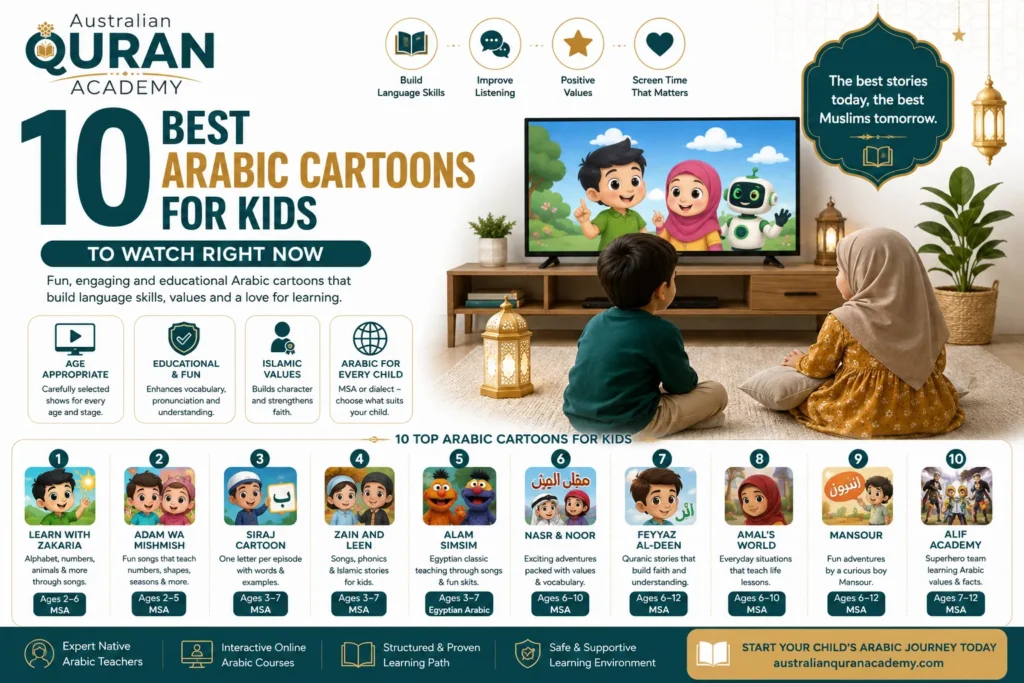
This guide gives you ten hand-picked picks, each chosen for clear speech, useful vocabulary, and positive content. For every show you’ll find what Arabic variety it uses, the right age range, and one practical tip for squeezing more learning out of each episode.
Arabic cartoons sit in three broad groups: educational shows built to teach the language directly, entertaining series that build listening skills naturally, and Islamic cartoons that combine values with language. The ten picks below cover all three, so you can rotate between them based on your child’s mood and learning goal.
1. Learn with Zakaria — Best Free YouTube Arabic Cartoon for Kids
Learn with Zakaria (تعلم مع زكريا) is a YouTube Arabic cartoon for kids that teaches the alphabet, numbers, colors, animals, and common greetings through short animated songs and stories.
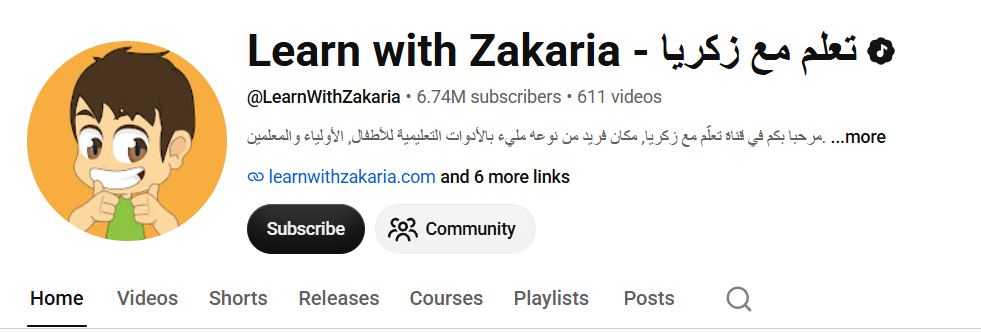
Each video focuses on one narrow topic — a single letter, one color — which makes it easy for a beginner to absorb something concrete from every sitting. The pacing is slow and the pronunciation is clear, making it one of the best free Arabic cartoons for kids available online.
What kids learn:
- Arabic alphabet letters and their sounds
- Numbers, colors, and common animals
- Everyday greetings and phrases
Best for: Ages 2–6 | Arabic variety: Modern Standard Arabic
Practical tip: After each video, point to three objects around the house that match the words your child just heard. The word for “cat” (قطة) sticks far longer when the family cat is sitting nearby.
2. Adam Wa Mishmish — Best Educational Arabic Cartoon for Toddlers
Adam Wa Mishmish is a Jordanian-produced series that teaches through short songs in Modern Standard Arabic. Each song targets one concept — shapes, seasons, numbers, or the alphabet — making it one of the strongest best Arabic cartoons for kids aged 2 to 5.
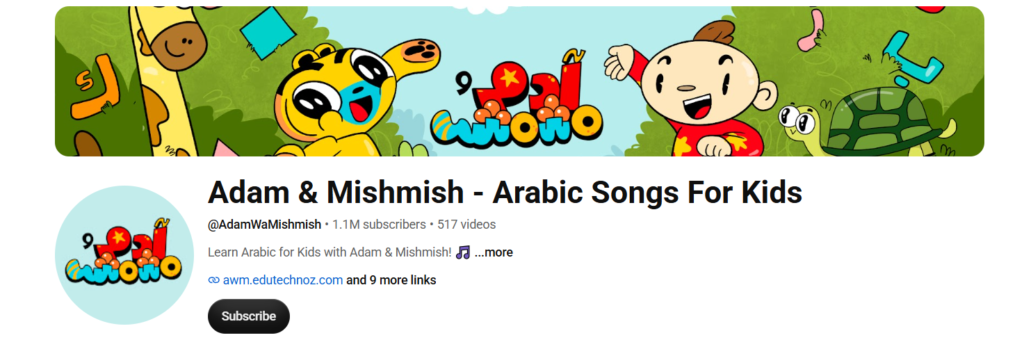
Because it uses MSA, vocabulary transfers directly to Quranic Arabic and formal schooling. The songs are short enough to replay several times in a row, which is exactly how children under five learn best. Parents who want their child’s screen time to connect to future Quran reading will find this series especially useful.
Best for: Ages 2–5 | Arabic variety: Modern Standard Arabic
Tip: Sing the song again at dinner without the screen. Passive repetition still builds recognition even before your child can repeat it back.
Read also: How to Learn to Read Arabic for Kids in Australia ? – A 10-Step Guide
3. Siraj Cartoon — Best for Learning the Arabic Alphabet
Siraj Cartoon is a 3D animated Arabic kid show where each episode follows characters Rashid and Nora as they explore a single Arabic letter — its shape, pronunciation, and use in real words.
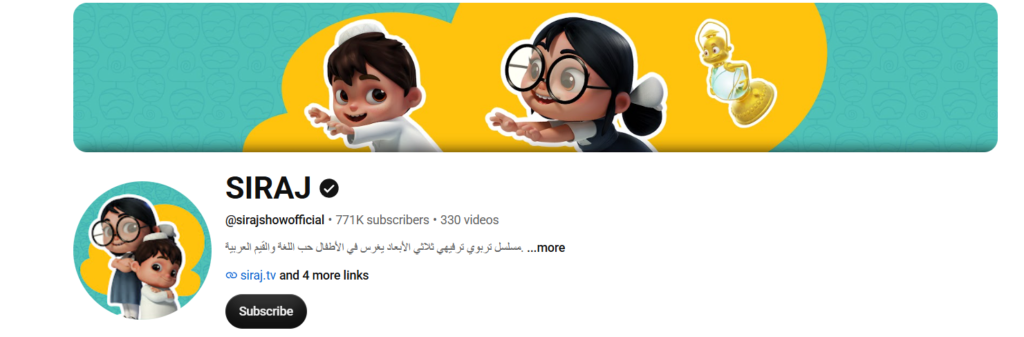
That one-letter-per-episode structure is more effective than many parents expect. Children learn letters in context rather than in isolation, which speeds up reading readiness. At roughly 20 minutes per episode, it holds attention without overstaying its welcome.
What kids learn:
- Shape and pronunciation of each letter
- How each letter appears in real words
- Early reading readiness skills
Best for: Ages 3–7
Arabic variety: Modern Standard Arabic
Read also: 11 Arabic Activities for Kids in Australia (Free, Printable & Online)
4. Zain and Leen — Arabic Kid Show with Islamic Values
Zain and Leen is a YouTube channel following two siblings through nursery rhymes, phonics lessons, and Islamic stories. The sibling format helps children who learn best through social modeling — watching two characters interact makes language feel natural rather than instructional.
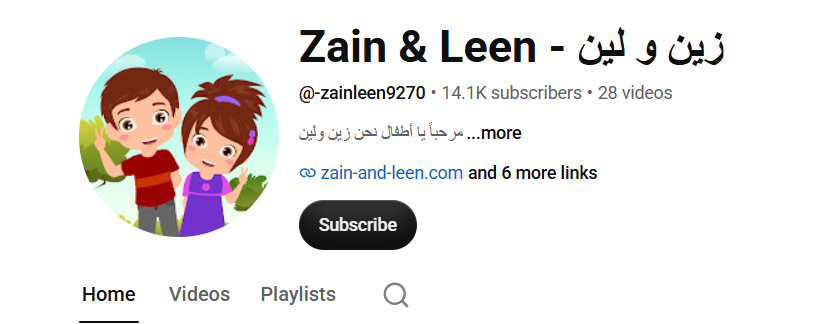
It also bridges the gap between everyday Arabic and Islamic vocabulary, which is rare among free Arabic cartoons for kids. Topics range from alphabet games and animal vocabulary to Islamic manners and short Quranic concepts.
Best for: Ages 3–7 | Arabic variety: Modern Standard Arabic
Parents who want to pair this with structured instruction will find the Al-Azhar Arabic Course at Australian Quran Academy provides the formal grounding that screen time alone cannot deliver.
Read also: How to Learn Egyptian Arabic for Kids? – A Complete Step-by-Step Guide
5. Alam Simsim — Best Arabic Cartoon for Early Primary Kids
Alam Simsim is Egypt’s adaptation of Sesame Street, combining familiar puppet-and-human formats with Egyptian Arabic songs, counting, and social lessons. It has been a staple of Arabic kid shows since the early 1980s and remains widely trusted by educators and parents across the Arab world.
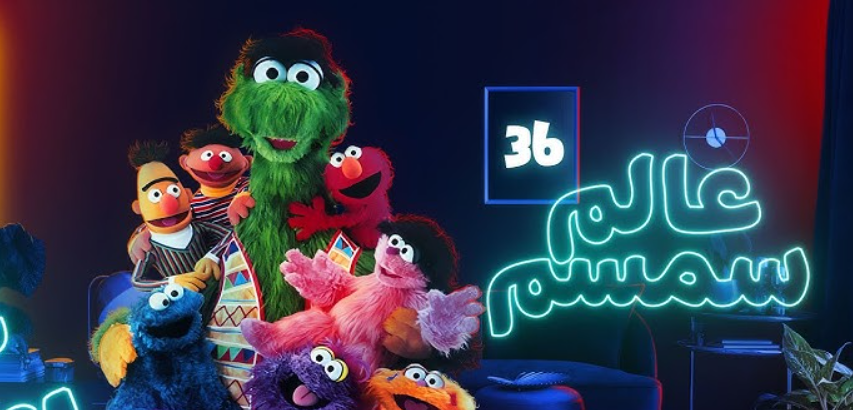
One important note: Alam Simsim uses Egyptian Arabic, not MSA. That is not a disadvantage — Egyptian Arabic is the most widely understood dialect across the Arab world due to Egypt’s long history in film and television. It simply means parents should choose it knowing what variety their child is learning. If the goal is Quranic Arabic or formal literacy, supplement with an MSA show.
Best for: Ages 3–7
Arabic variety: Egyptian Arabic
Read also: How to Learn the Quran in English in Australia? 8 Steps
See Us in Action!
Curious about what our online classrooms look like? Watch the short clips below to see how our interactive, one-on-one sessions bring learning to life with real-time feedback and engaging teaching methods.
Start Your Quranic Journey in Australia
Join our leading online academy and learn with expert tutors through a structured, personalized curriculum.
Book Your Free Trial6. Bakkar — Classic Arabic Cartoon That Teaches Egyptian Culture
Bakkar is one of the most beloved classic Arabic cartoons for kids, following a young Nubian boy, his goat Rashida, and the community around him through simple, warm Egyptian Arabic dialogue. Many Arabic-speaking adults today can still recite Bakkar’s theme from childhood — a reliable signal that the content leaves a lasting impression.
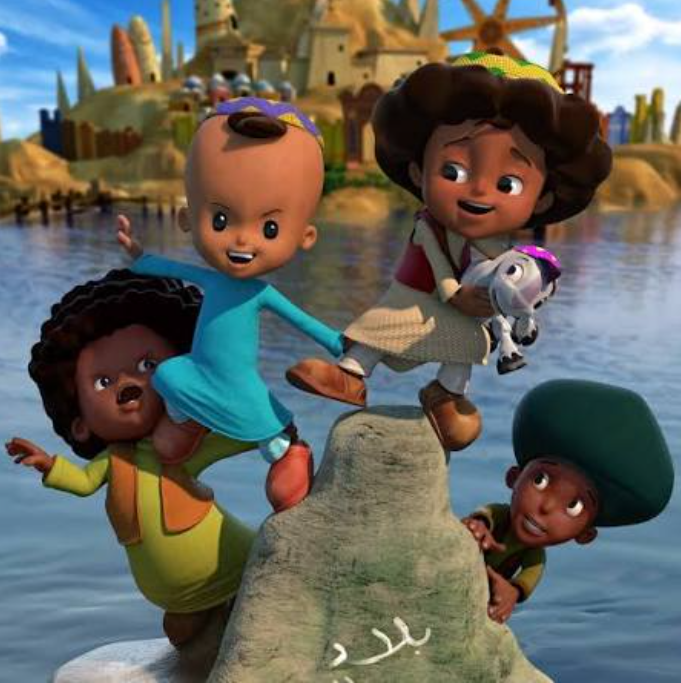
Its slower pace makes it accessible to children who find fast-cut modern animation overwhelming. The dialogue covers everyday expressions — greetings, family words, household actions — and each episode carries a gentle lesson in honesty, kindness, or respect.
Best for: Ages 5+
Arabic variety: Egyptian Arabic
Read also: 12 Best Arabic Books for Kids: A Complete Parent’s Guide
7. Omar and Hana — Best Islamic Arabic Cartoon for Kids
Omar and Hana is a Malaysian-produced animated series available in Arabic on YouTube, following two young siblings as they learn Islamic values through songs and everyday family situations. The songs are short, catchy, and repeat key vocabulary — the exact format that helps children aged 2 to 6 build language through music.
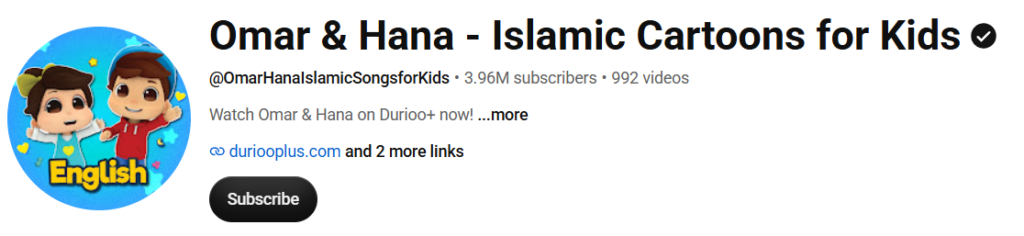
Topics include prayer, honesty, kindness, and respecting parents, all woven into relatable scenarios children recognize from their own lives. If your child already loves Omar and Hana in English, switching to the Arabic version for two episodes per week is one of the smoothest transitions you can make — familiar characters reduce resistance while the new audio track builds listening skills.
Best for: Ages 2–6
Arabic variety: Varies by release
8. Fawaz and Noora — Arabic Cartoon for Building Islamic Character
Fawaz and Noora is a Saudi-produced series that teaches Islamic character — honesty, generosity, responsibility — through one focused moral per short episode. The Arabic is formal-leaning and generally clear, making it suitable for children who have moved past isolated words and can follow simple dialogue.
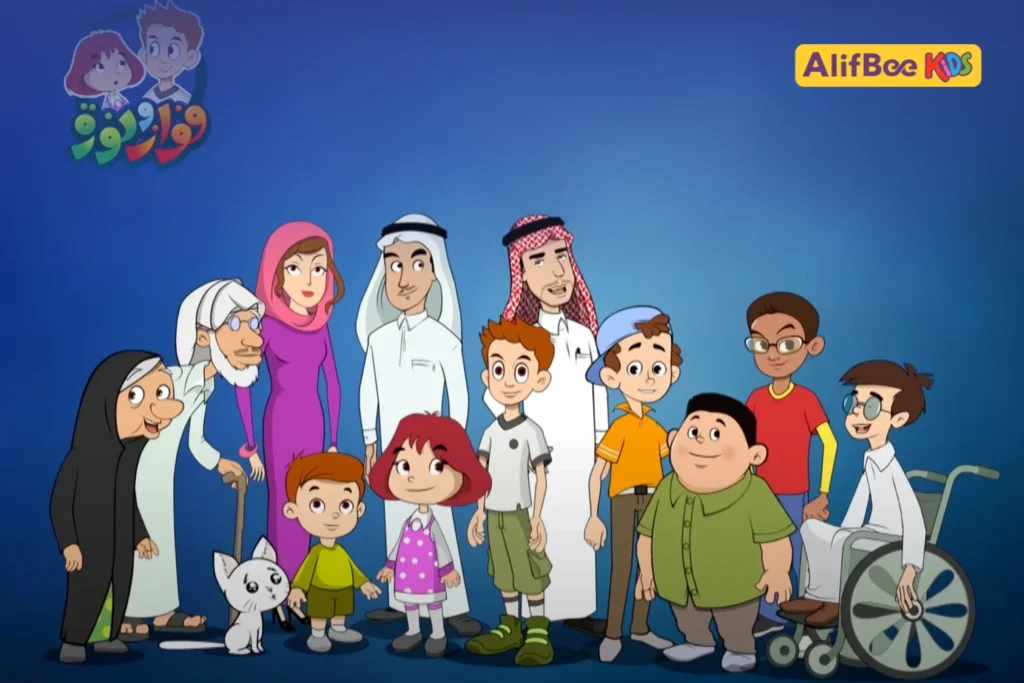
What kids learn:
- Islamic values: charity, patience, and helping others
- Simple formal Arabic dialogue
- One clear moral lesson per episode
Best for: Ages 4+
Arabic variety: Formal-leaning Arabic
Each episode is brief, which makes it easy to watch one, ask a simple question — “What did Nora do that was kind today?” — and move on without screen fatigue. Families building a strong Arabic foundation can pair this show with an Advanced Arabic Course to keep formal literacy progressing alongside cultural exposure.
9. Mansour — Best Arabic Cartoon for Older Kids
Mansour follows an energetic Emirati boy and his friends through adventures, everyday challenges, and problem-solving scenarios. It is one of the few Arabic cartoons for kids that specifically exposes children to a Gulf dialect — a valuable choice for families connected to the Gulf region or who want broader dialect exposure beyond Egyptian Arabic.
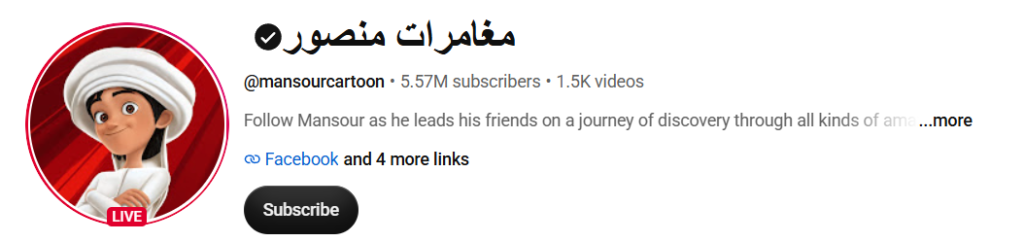
The dialogue is faster and the stories are less repetitive than preschool programs. For that reason, Mansour works best from age six upward, or for younger children who already have a solid foundation in conversational Arabic. The action-forward format keeps older kids engaged even when they miss individual words.
Best for: Ages 6+
Arabic variety: Gulf / Emirati Arabic
10. Finding Nemo and The Lion King (Arabic Dub) — Best Arabic Movies for Kids
Dubbed Arabic movies like Finding Nemo (البحث عن نيمو) and The Lion King (الأسد الملك) offer something unique: a familiar story your child already loves, now in a new language. Because children already know the characters and main plot, they can use context to work out words they don’t recognize — the same strategy adult language learners use with subtitles. This significantly lowers frustration and builds listening confidence.
The Egyptian-dubbed versions of both films are widely available and use clear, expressive Arabic that captures the full emotional range of the original dialogue and songs.
Best for: Ages 5+ | Arabic variety: Egyptian Arabic dub
Tip: Start with one memorable scene rather than the full film. Rewatching ten minutes repeatedly is more effective than sitting through two hours your child stops following halfway through.
MSA or Dialect — Which Arabic Cartoons Should Your Child Watch?
The answer depends entirely on your family’s goal for Arabic Choose Modern Standard Arabic when your main aim is Quranic reading, formal school Arabic, or vocabulary that transfers across the entire Arab world. Adam Wa Mishmish, Siraj, and Learn with Zakaria all use MSA. Choose a dialect when the goal is speaking with grandparents, relatives, or a specific community — Bakkar and Alam Simsim use Egyptian Arabic, while Mansour uses Gulf Arabic.
When your child needs both literacy and family conversation, use both — and simply name the variety as you watch: “This show is Egyptian Arabic — Teta would say it just like that.” Children adapt to multiple registers naturally. Consistent exposure matters more than keeping every minute of screen time in one variety.
Parents who want to learn alongside their children will find Arabic courses for adults at Australian Quran Academy one of the most effective ways to build a genuine Arabic environment at home.

How to Turn Arabic Cartoons into Real Language Practice?
Watching is passive. What happens after the screen turns off is where language actually forms.
Keep the first session short — five to fifteen minutes is enough for a beginner, and stopping while your child is still engaged beats pushing through until they check out. Watch together when you can: pointing to an object, laughing at the same moment, or asking what a character is doing adds the social cues that a screen alone cannot provide.
From each episode, pick just three words that are easy to use later — a color, an animal, an action verb — and drop them naturally into conversation at breakfast, in the car, or at bedtime. Replay the song or scene rather than always moving to the next episode; children learn through repetition long before they can explain a word.
Finally, move the language off the screen entirely. Draw a character from the show, act out one scene, or match the episode’s words to real objects around the house. That transfer — from screen to real life — is where vocabulary locks in for good.
Inside Our Virtual Classrooms
We believe in full transparency and proven quality. Take a look at these actual snippets from our live classes to experience our modern learning platform, patient instructors, and interactive student participation.
Start Your Quranic Journey in Australia
Join our leading online academy and learn with expert tutors through a structured, personalized curriculum.
Book Your Free TrialStart Learning Arabic with Australian Quran Academy
Cartoons build listening skills and vocabulary. But fluency — reading, writing, speaking, and understanding the Quran — requires structured instruction from qualified teachers.
At Australian Quran Academy, expert instructors guide children and adults through Arabic from the ground up, using a proven curriculum that bridges screen-time immersion with formal language mastery. Whether your child is just starting with the alphabet or your family is ready to begin reading the Quran in Arabic, there is a course built for your exact level.
Our Arabic Courses
- Online Arabic Academy
- Online Arabic Course
- Classical Arabic Course
- Arabic Course for Beginners
- Advanced Arabic Course
- Quranic Arabic Course
- Arabic Grammar Course
- Modern Standard Arabic Course
- Arabic Conversation / Speaking Course
- Intensive Arabic Course
- Online Arabic Classes for Kids
- Arabic Classes for Adults
- Arabic Classes for Ladies
- Fusha Arabic Course
- Business Arabic Course
- Al-Azhar Arabic Course
- Madinah Arabic Course
- Learning Arabic for Non-Arabic Speakers
- Arabic Elementary School
- Arabic Intermediate School
- Arabic Lessons for Kindergarten
[Book Your Free Trial Lesson →]
Start Your Quranic Journey in Australia
Join our leading online academy and learn with expert tutors through a structured, personalized curriculum.
Book Your Free TrialConclusion
The ten Arabic cartoons for kids in this guide cover every age, every learning goal, and every Arabic variety. For toddlers, Adam Wa Mishmish and Omar and Hana provide song-based MSA in short, repeatable episodes. For early primary children, Alam Simsim, Siraj, and Bakkar build listening skills through repetition and culturally rich stories. For older children, Mansour and dubbed Arabic movies offer faster-paced immersion that respects a growing attention span.
The most important decision is not which cartoon you choose — it is what you do after the episode ends. Three words used at dinner, a replayed song in the car, a question about what the character learned: that small routine, repeated across weeks, turns passive screen time into real Arabic acquisition. Pair that routine with structured learning at Australian Quran Academy, and your child has everything they need.
FAQs About Arabic Cartoons for Kids
What are the best free Arabic cartoons for kids on YouTube?
The best free Arabic cartoons for kids on YouTube include Learn with Zakaria, Adam Wa Mishmish, Zain and Leen, and Omar and Hana. All four are free, child-safe, and cover core vocabulary including the alphabet, numbers, colors, and Islamic values. Learn with Zakaria and Siraj Cartoon are particularly strong for alphabet instruction.
Which Arabic kid shows use Modern Standard Arabic?
Adam Wa Mishmish, Siraj Cartoon, and Learn with Zakaria all use Modern Standard Arabic. MSA is the best choice when your goal is Quranic Arabic, formal literacy, or vocabulary that transfers across all Arab countries. Alam Simsim and Bakkar use Egyptian Arabic, while Mansour uses Gulf Arabic.
Can Arabic cartoons for kids actually teach Arabic?
Arabic cartoons build listening comprehension, vocabulary recognition, and pronunciation familiarity — but they cannot teach reading, writing, or grammar on their own. Children need real conversation and structured instruction alongside screen time. Cartoons work best as a supplement to, not a replacement for, formal Arabic classes.
At what age should kids start watching Arabic cartoons?
Children can benefit from Arabic cartoons as early as age two, provided the show uses clear speech, short episodes, and songs. Adam Wa Mishmish and Omar and Hana suit ages 2–6. Bakkar, Alam Simsim, and Siraj Cartoon work well from ages 4–8. Mansour and dubbed Arabic films are better from age six onward.
Are Disney movies dubbed in Arabic good for kids learning the language?
Yes — Arabic-dubbed Disney films like Finding Nemo and The Lion King are excellent for children who already know the story in English. The familiar plot reduces frustration and lets children use context to decode new words. Short repeated scenes of around ten minutes work better than watching the full film in one sitting.
What is the difference between Egyptian Arabic cartoons and MSA cartoons for kids?
Egyptian Arabic cartoons like Bakkar and Alam Simsim use the dialect spoken in Egypt, which is widely understood across the Arab world due to Egypt’s cultural influence in film and television. MSA cartoons like Adam Wa Mishmish use formal Arabic — the variety used in books, the news, and the Quran. For Quranic reading or formal literacy, choose MSA. For speaking with Egyptian family members, choose Egyptian Arabic. Both are valuable, and children handle both naturally with consistent exposure.
Leave a Reply