The Australian Quran Academy’s Arabic elementary school in Australia provides comprehensive Arabic language education for primary-aged children—building foundational literacy, grammatical accuracy, and conversational fluency through age-appropriate, engaging lessons designed specifically for young learners across Australia.
Australian children gain essential Arabic reading skills, writing proficiency, speaking confidence, and listening comprehension—preparing them for Quranic study, cultural connection, academic advancement, and bilingual fluency during critical developmental years when language acquisition occurs most naturally and effectively.
More Details Pricing Testimonials
The Australian Quran Academy’s Arabic elementary school in Australia focuses on Arabic alphabet mastery, phonetic training (Makharij), vowel recognition (Harakat), basic grammar (Nahw), and age-appropriate vocabulary building. Lessons cover sentence construction, verb conjugations, plural forms, and conversational patterns tailored to children’s cognitive development.
Australian elementary students practice Arabic listening through stories and songs, develop Arabic speaking through guided dialogues, build Arabic reading fluency across graded texts, and strengthen Arabic writing through structured handwriting exercises. The Australian Quran Academy’s tutors deliver interactive, child-friendly instruction that makes Arabic learning enjoyable and effective.
The Australian Quran Academy uses a grade-level methodology, ensuring children master each linguistic concept before advancing to the next stage.
Australian children learn complete Arabic alphabet recognition—identifying letter shapes across initial, medial, and final positions through visual aids and games. The Australian Quran Academy’s Arabic elementary school in Australia teaches correct pronunciation of each Arabic letter, including sounds unfamiliar to English speakers (ع، غ، ح، خ، ص، ض، ط، ظ). Students practice vowel sounds (Fatha, Kasra, Damma), special symbols (Sukoon, Shadda, Tanween), and letter combinations through repetition, songs, and interactive drills, building phonetic awareness and decoding skills essential for Arabic reading fluency.
The Australian Quran Academy’s tutors introduce Arabic grammar concepts age-appropriately, teaching noun-adjective agreement, gender distinctions (Mudhakkar/Mu’annath), singular-dual-plural forms, and basic sentence patterns (Mubtada-Khabar). Australian children in the Arabic elementary school in Australia learn functional vocabulary, family members, colors, numbers, animals, daily objects, body parts, and simple Islamic terms. Students build sentences using familiar words, recognize grammatical patterns naturally, and expand vocabulary through themed lessons, visual aids, and contextual learning, establishing grammatical foundations without overwhelming young learners.
The Australian Quran Academy’s Arabic elementary school in Australia develops Arabic reading fluency systematically, progressing from letter recognition to word reading to simple sentence comprehension. Australian children read graded Arabic stories, practice reading with vowel marks initially, and gradually build speed and accuracy. Students develop Arabic handwriting skills through tracing, copying, and independent writing, learning proper letter formation, connections, and spacing. Lessons integrate reading and writing daily, reinforcing literacy through dictation exercises, copywork, and creative writing activities appropriate for elementary-aged learners.
The Australian Quran Academy’s Arabic elementary school in Australia emphasizes active communication skills training for Australian children in Arabic listening comprehension through stories, songs, and spoken instructions. Students practice Arabic speaking through repetition drills, question-answer exchanges, role-plays, and guided conversations about familiar topics. Tutors model natural pronunciation, correct errors gently, and build confidence in verbal Arabic expression. Lessons create interactive, supportive environments where elementary students speak Arabic regularly, develop conversational fluency, and overcome hesitation through consistent, age-appropriate practice.
Outcomes
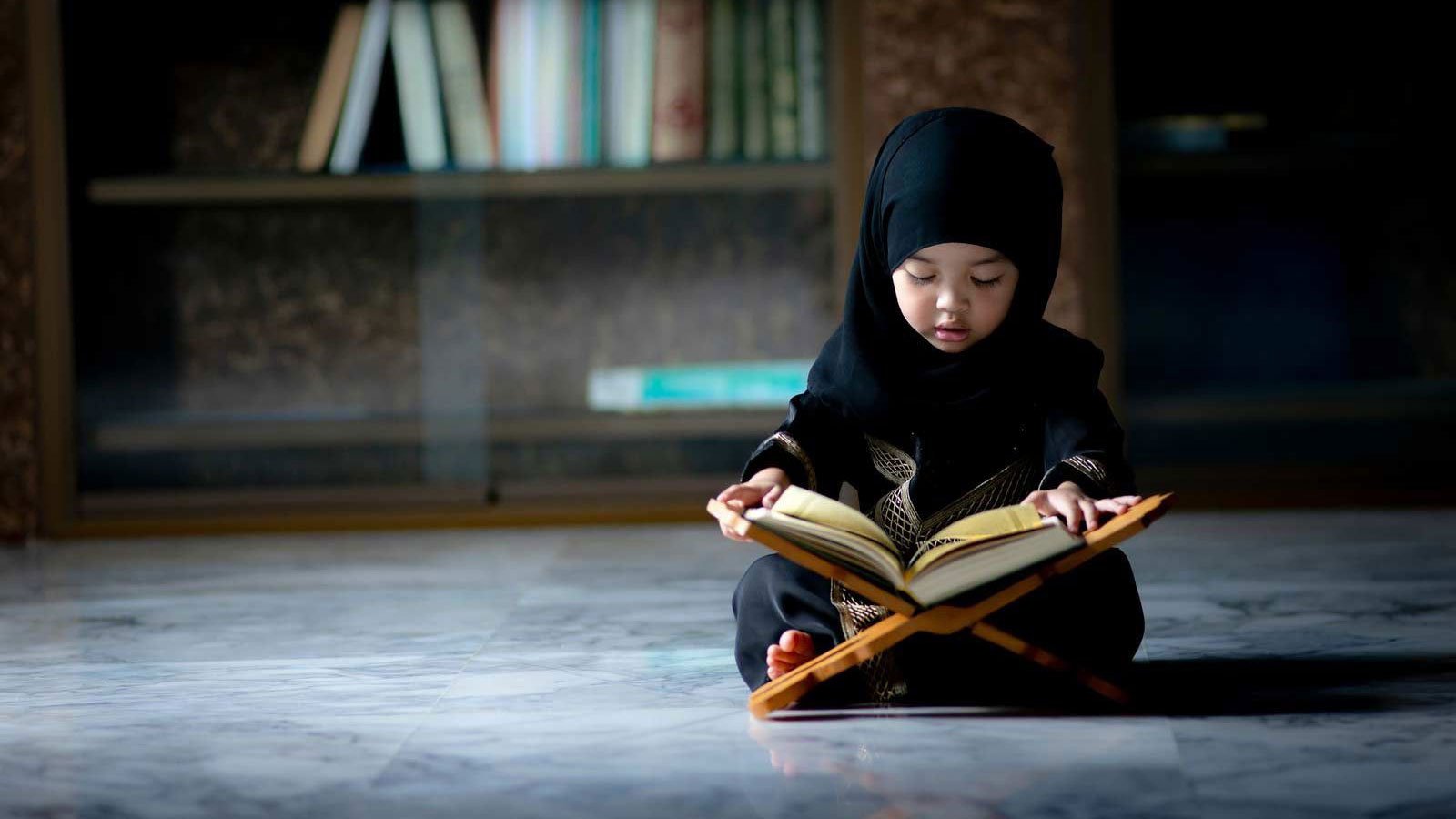
Australian children read simple Arabic texts smoothly, recognizing words automatically and applying phonetic rules correctly. They decode unfamiliar words using letter-sound knowledge. Australian Elementary students in Australia's Arabic school read Quranic verses, short stories, and graded texts independently. Reading becomes confident, not hesitant.
Australian Children can be able to write Arabic letters, words, and sentences correctly. They connect letters properly, spell accurately, and compose simple texts independently. Australian Elementary students in Australia's Arabic school produce Arabic handwriting neatly and express ideas in written Arabic. Writing becomes natural, not labored.
conversations in Arabic, greeting, asking questions, expressing needs, and responding appropriately. They pronounce Arabic sounds accurately and speak confidently. Australian Elementary students in Australia's Arabic school communicate verbally about familiar topics without hesitation. Spoken Arabic becomes functional, not memorized phrases.
Australian Elementary Children understand spoken Arabic instructions, stories, and conversations at age-appropriate levels. They follow verbal directions, comprehend narratives, and respond to questions. Australian Elementary students in Australia's Arabic school process Arabic audio actively without constant translation. Listening becomes comprehension, not passive hearing.
Australian children recognize basic grammatical patterns, such as gender, number, sentence structures, and verb forms. They apply rules naturally in speech and writing. Australian Elementary students in Australia's Arabic school construct grammatically correct, simple sentences instinctively. Grammar becomes intuitive, not theoretical.
Why Choose us?
The Australian Quran Academy designs lessons specifically for children's developmental stages. Australian elementary students learn Arabic through games, stories, and interactive activities.
Australian children learn from instructors experienced in teaching young learners. Tutors provide patient guidance, gentle corrections, and encouraging feedback tailored to children.
The Australian Quran Academy builds Arabic skills systematically, alphabet, phonics, vocabulary, grammar, reading, writing, speaking, and listening. Australian elementary students master each stage before advancing.
The Australian Quran Academy delivers live, engaging instruction with visual aids, games, and activities. Australian elementary students participate actively, ask questions, and practice regularly.
Arabic Classes for Elementary Learners in Australia accommodate Australian school schedules and family commitments, with weekend slots available. Elementary students balance Arabic learning with regular schooling and activities seamlessly.
The Australian Quran Academy offers competitive pricing for children's Arabic instruction. Flexible payment plans make quality Arabic elementary school education accessible to Australian families.
Areas we serve in Australia
The Australian Quran Academy welcomes families from Sydney, Melbourne, Brisbane, Perth, Adelaide, and online globally.
Related Courses
The Australian Quran Academy provides Arabic courses from Beginner to Advanced proficiency—including Quranic Arabic, conversational Arabic, grammar programs, and courses for children, adults, and ladies.
The Australian Quran Academy’s Arabic elementary school in Australia delivers comprehensive, age-appropriate Arabic education for primary-aged children. Give your child the gift of bilingualism.
Testimonials
Australian children completing The Australian Quran Academy's Arabic elementary school achieve Quranic reading fluency, bilingual competence, academic confidence, and strong Arabic foundations for future study.
Shaykhi Academy is a wonderful institution. Me along with my 2 kids are students and all our teachers are excellent. Apart from the amazing Quran education, what I love about the institution is their customer service. The communication is prompt, accurate and effective. Sr Ghada has always been the best of coordinators and now her team is also doing exceptionally well. JazakAllah for such a service to the ummah. May Allah bless all the team members. Ameen.
Alhamdulillah I am studying in Shaykhi Academy for 3 to 4 months now and the coordinators and the supervisors their have been very supportive and helpful. My teacher that I have been appointed Mr. Zeyad Waleed is an excellent teacher, great communicator and he knows the concepts really good and he is friendly and very flexible and understanding when it comes to class timings or solving doubts or being pragmatic in his teaching styles. Alhamdulillah I would recommend my friends and family to join this Academy and inshallah when I become a teacher I would like to work with them as well. May Allah Put Barakah in this Academy and their tutors and all those who come to seek knowledge here.
Real transformations from students who mastered the Quran with our courses
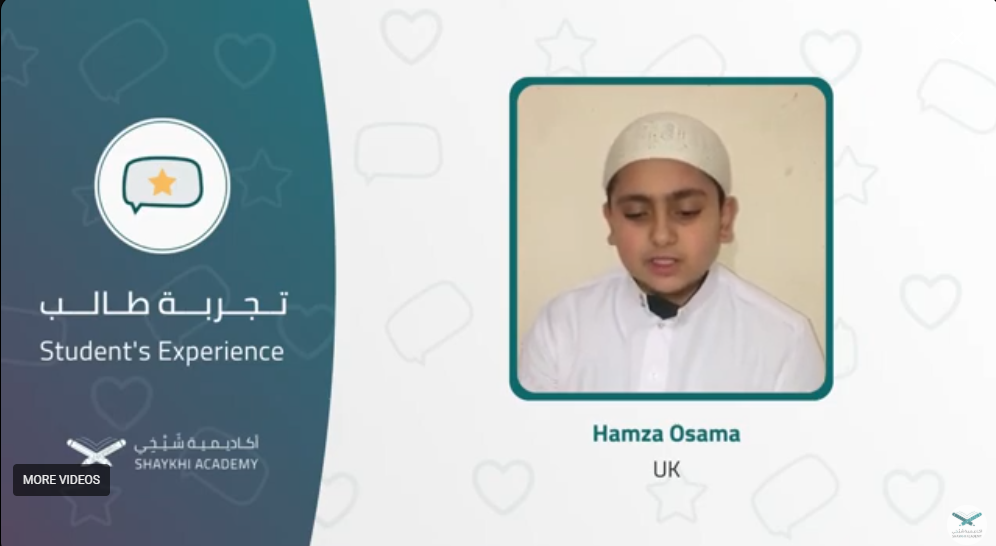
I took a course at Shaykhi Academy, and my name is Hamza Osama from England. During my time there, I learned the Arabic alphabet and Tajweed rules. I have also successfully memorized approximately two Juz of the Quran. My teacher was the best, and I feel I benefited a lot from him. I would advise anyone who wants to learn the Arabic language, Tajweed rules, or the Quran to join Shaykhi Academy.
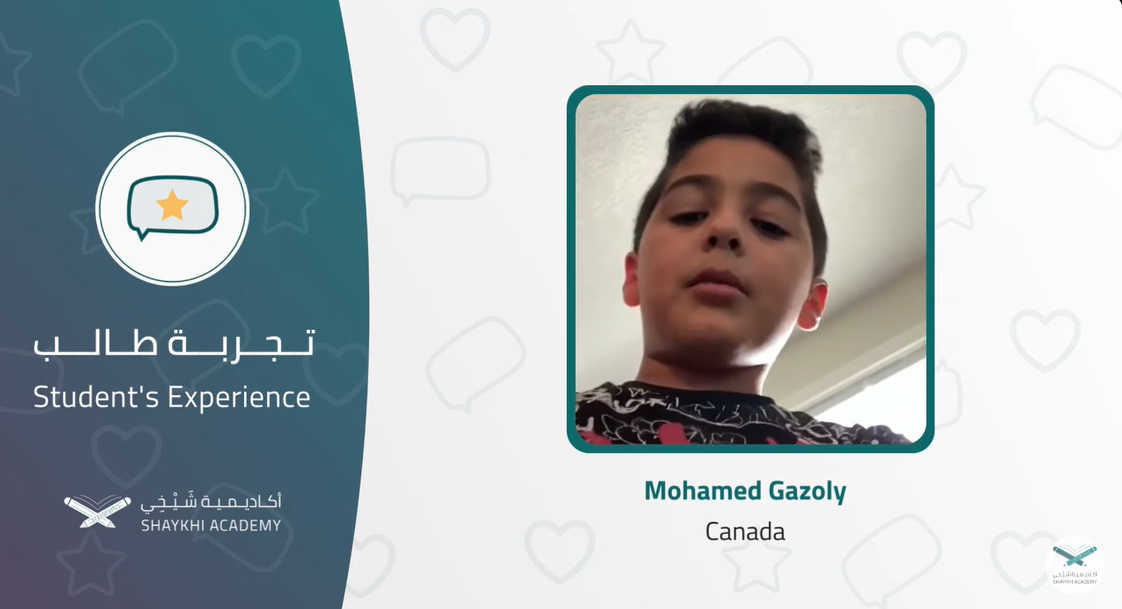
I took a class at Shaykhi Academy with Mr. Luqman, and I had a lot of fun learning with him. I even got the chance to meet him in Egypt! I learned a lot from my time with him, including Tajweed, Tahweed, Arabic reading, and Quran. I've been learning with him for about a year now. Thank you for your time.
The Australian Quran Academy’s Arabic elementary school in Australia transforms young learners into confident, fluent Arabic readers, writers, and speakers. Enroll today.
Australian parents considering Arabic elementary school education often ask practical questions about age-appropriateness, curriculum, lesson structure, and outcomes. Here are clear answers.